


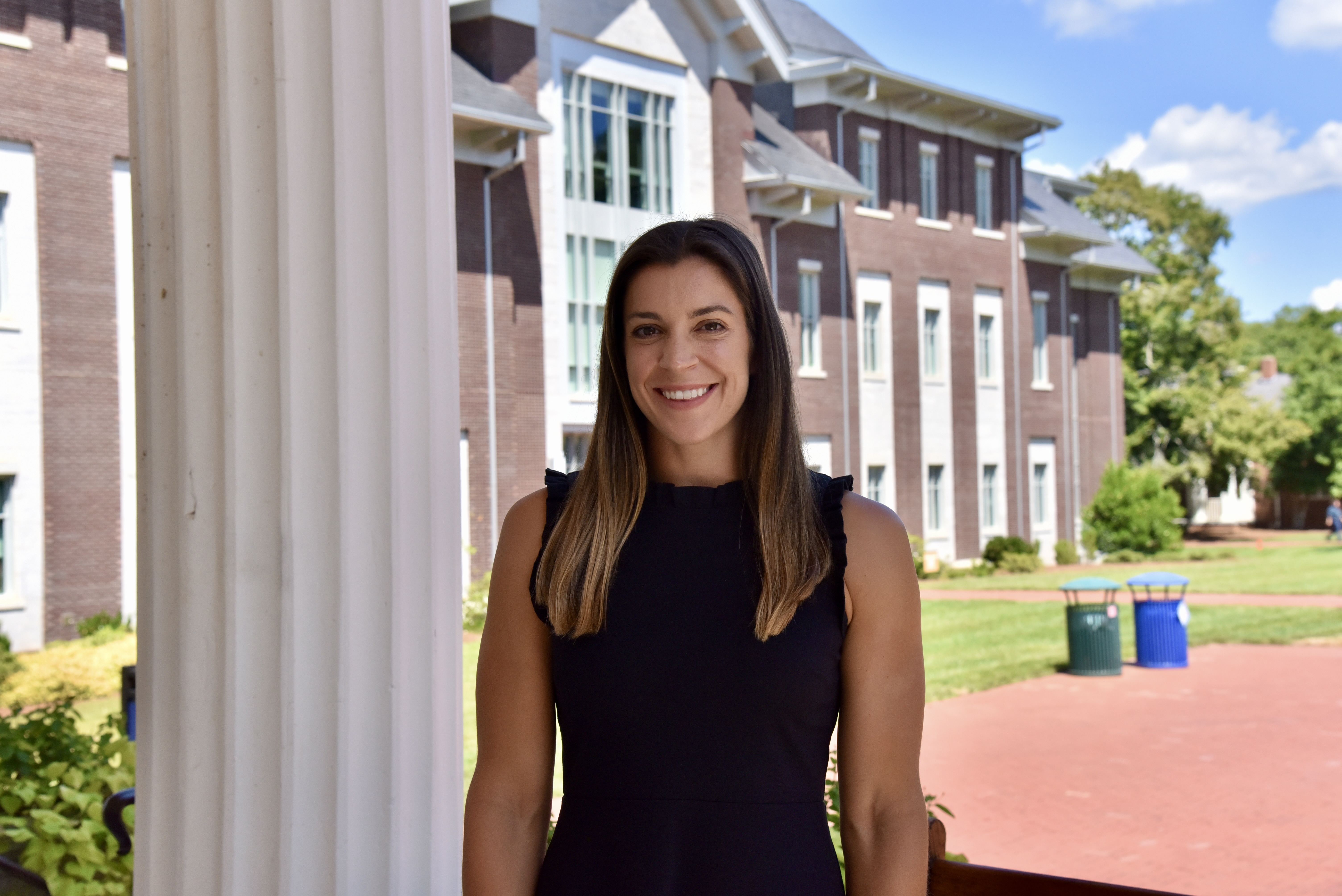
Caroline B. Polinski
About
Caroline Brantley, PhD, RDN is an Assistant Clinical Professor at Emory University, where she develops and teaches courses in clinical nutrition and contributes to the upcoming Master’s Nutrition program. Her teaching emphasizes student-centered learning, combining evidence-based nutrition science with practical skills that prepare students for professional practice. Dr. Brantley’s research focuses on the intersection of nutrition, behavior, and health, with particular attention to caregiver and child eating behaviors in populations with developmental differences, including Down syndrome. She is passionate about translating research into clinical and educational interventions that improve health outcomes and foster lifelong healthy habits.

Areas of Expertise
Publications
- Brantley C, Knol LL, Douglas JW, Hernandez-Rief M, Lawrence JC, Wind SA. Feeding stressors and resources used by caregivers of children with Down syndrome: A qualitative analysis. JAND. 2023; S2212-2672(23)01207-8. doi:10.1016/j.jand.2023.07.002 (Published July 8, 2023)
- Brantley C. The impact of mindfulness interventions and parental influence on child health. CV-Well Pathways. 2023;2(3):4-6 (Published June 26, 2023)
- Brantley C, Knol LL, Douglas JW. Parental mindful eating practices and mindful eating interventions are associated with child emotional eating. Nutrition Research. 2022; 111:34-43.DOI: 10.1016/j.nutres.2022.11.001 (Published March, 2023)
Teaching
I am passionate about teaching nutrition in ways that prepare students both for their own health and for their future roles as healthcare professionals. My teaching philosophy centers on creating a student-centered, active learning environment where students engage in discovery, discussion, and real-world application. I emphasize both the foundational knowledge of nutrition science and the “soft skills” needed to support behavior change in clients, helping students integrate evidence-based practice with effective communication and problem-solving. I design my courses to be inclusive and flexible, ensuring that students can demonstrate their learning through a variety of assessments while fostering critical thinking, collaboration, and professional growth. Additionally, I am committed to developing new programs, including our upcoming Master’s Nutrition program, to provide rigorous, relevant, and engaging educational experiences for all learners.
Research
My research focuses on the interplay between nutrition, behavior, and health outcomes, with a particular emphasis on populations with developmental differences, such as children with Down syndrome. I investigate how caregiver eating behaviors, including mindful and stress-related eating, influence child dietary patterns, emotional overeating, and long-term health. By exploring these relationships, my work aims to identify evidence-based strategies that support both caregivers and children in establishing healthy habits. I am also interested in translating these findings into educational and clinical interventions, bridging research with teaching and practice to promote effective nutrition guidance and behavior change across diverse populations.
Awards
NIH National Research Service Award (NRSA), TL1 Predoctoral Clinical Translational Research Training Program


